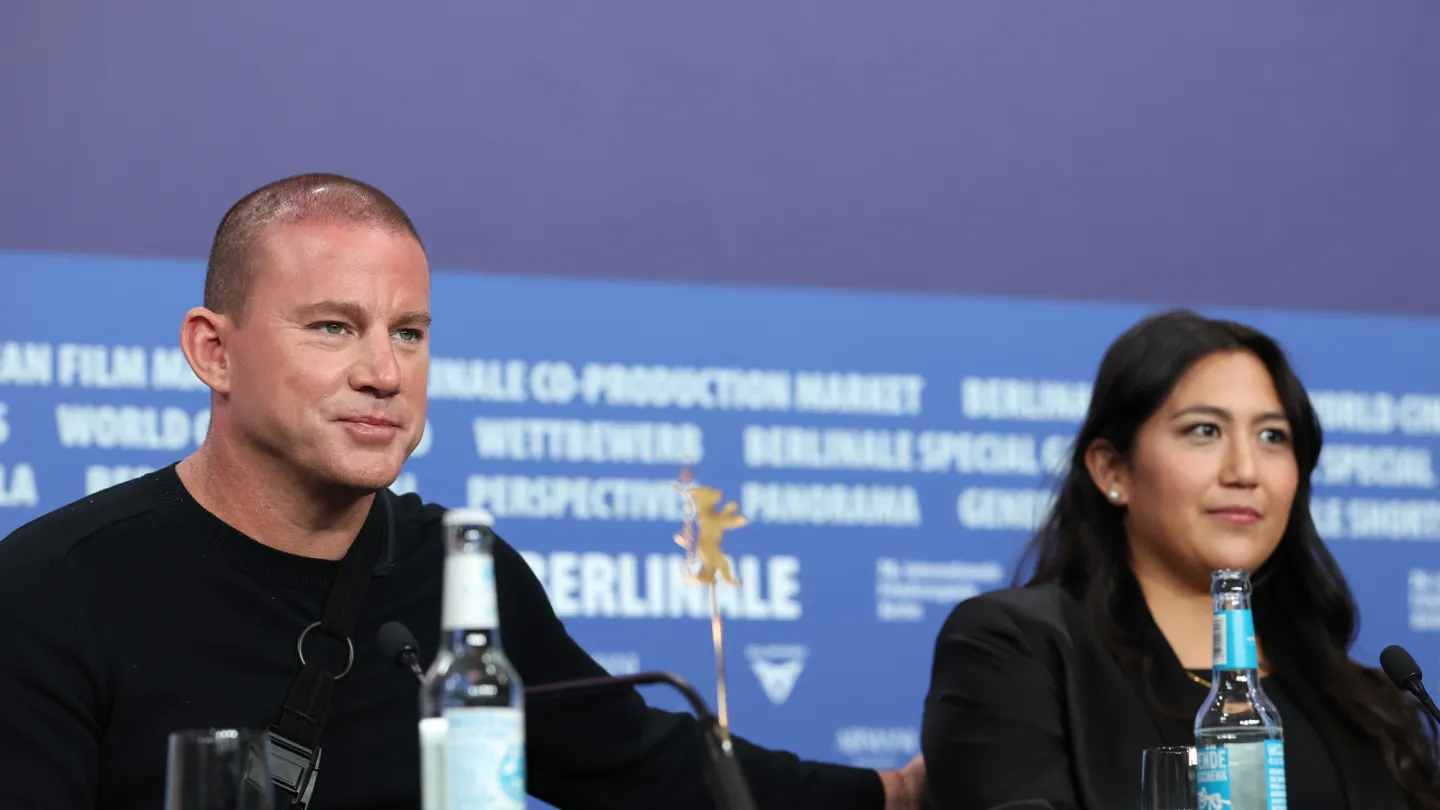
Channing Tatum, Gemma Chan and newcomer Mason Reeves star in Beth de Araújo’s autobiographical drama about the aftermath for an 8-year-old girl who witnesses a violent crime.

The filmis drawn from an incident de Araújo experienced as a child. “It is based on a memory that I have when I was 8 years old. My father and I interrupted a sexual assault in Golden Gate Park in San Francisco. I just wanted to take the hyper vigilance I was left with after that day and explore it through the eyes of an 8-year-old girl the whole time, exploring both the intersection of unreasonable hyper vigilance and reasonable fear that we have walking through the world. That was the birth of Josephine.”
In the film, 8-year-old Josephine (Reeves) witnesses a brutal rape in a park while out running with her father, Damien, played by Tatum. The assault unfolds in real time, from the child’s perspective, before Damien arrives, chasing after the attacker and leaving his daughter alone to process what she has seen. The story follows the aftermath, including debates over whether Josephine, as the sole witness, should testify at the trial of the rapist.
De Araújo said that while she did not testify in real life — “My father did” — she made that choice for the film after researching how the legal system handles child witnesses. “When I was doing research, and I decided it really needed to be Josephine who was the one that went up there … I felt very committed to depicting the justice and legal system as it is.”
During her writing of the script, De Araújo trained to become certified as a witness advocate in hospitals for rape victims. She later received an SF Film Rainin grant that allowed her “to watch a sexual assault case in the court from start to finish,” and interview parents and a child forensic officer for background and context.
Tatum said his own experience as a father shaped his approach to Damien, a parent torn between protection and denial. “I promise you like that, that conversation that I had [in the film] with Josephine underneath the bridge is a conversation that I’ve had with my daughter: ‘You will never be in trouble with me if you protect yourself. If someone is doing something that you don’t want and you are asking them not to and they don’t listen, you have the full right to protect yourself. And I will back you forever.’”
Reeves, who had never acted before, was discovered at a San Francisco farmers market. “When you say you’re looking for someone to play the daughter of Channing Tatum and Gemma Chan at a farmers market in San Francisco, they don’t really believe you at first,” de Araújo said. They went through three rounds of auditions, but the director says Mason “was always the choice” to play Josephine.
After its Sundance debut, Josephine was snatched up by newcomer distributor Sumerian Pictures for the U.S. in a reported seven-figure deal. Given the critical support for the film, it could be an early awards contender.
For de Araújo, however, the film’s release comes with a broader call for accountability. “I’m not even speaking as a director right now, just as a concerned human being,” she said. The current system, she argued, “creates more silence, more shame and leaves survivors to heal completely on their own. [The accountability should lie with] the perpetrators, the pedophiles and the rapists. The shame needs to be on them, and we have to find a way to make holding [them] accountable more possible.”


